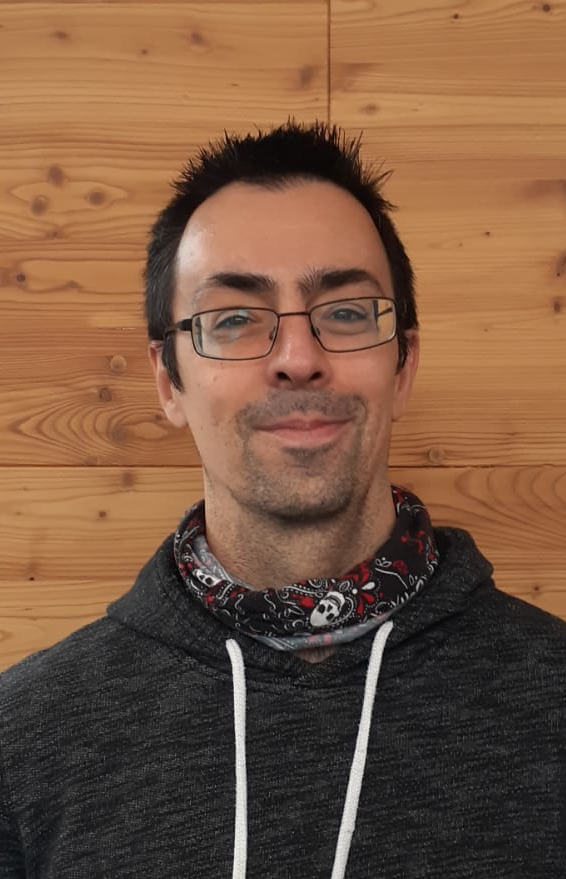
Here you will find a description of my research interests, contributtion to instrumentation work,
and some science communication activities.
I hope it means something to you too!
Research
I earned my Ph.D. at the Geneva Observatory under the supervision of Michel Mayor and Francesco Pepe. After it I worked at the Institute of Astrophysics and Space Sciences, in Portugal, and at the European Southern Observatory (ESO-Chile), as Staff Astronomer and the ESPRESSO Instrument Scientist. I am currently developing my research at IAA within the THIRSTEE project, led by Rafa Luque.
My research has been developed along three lines:
- I specialized in the determination of precise radial velocities (RV), and published some of the first precise near infra-red domain RVs (Huélamo, Figueira et al. 2008, and Figueira et al. 2010). My work also showed that telluric lines are stable at better than 10 m/s over timescales of several years (Figueira et al 2010b).
- The comparison of HARPS and Kepler surveys showed that exoplanets found in systems have their orbits aligned in a disk (Figueira et al. 2012). I collaborated with Vardan Adibekyan to study the properties of planet host stars (Adibekyan, Figueira et al. 2013) and of the planetary population (Adibekyan, Figueira et al. 2013b) and studied open questions such as the Lithium depletion of planet hosts (Figueira et al. 2013).
- I have been using the ESPRESSO spectrograph to detect Earth-Mass planets within the habitable zones of their host stars. This work has been developed with João Faria and André Silva; see our campaign on Proxima Cen (Faria et al 2022) for a spectacular example. Our latest work allowed us to reach an unprecedented precision in RV and stellar signal characterization around GK stars (Figueira et al 2025).
Instrumentation
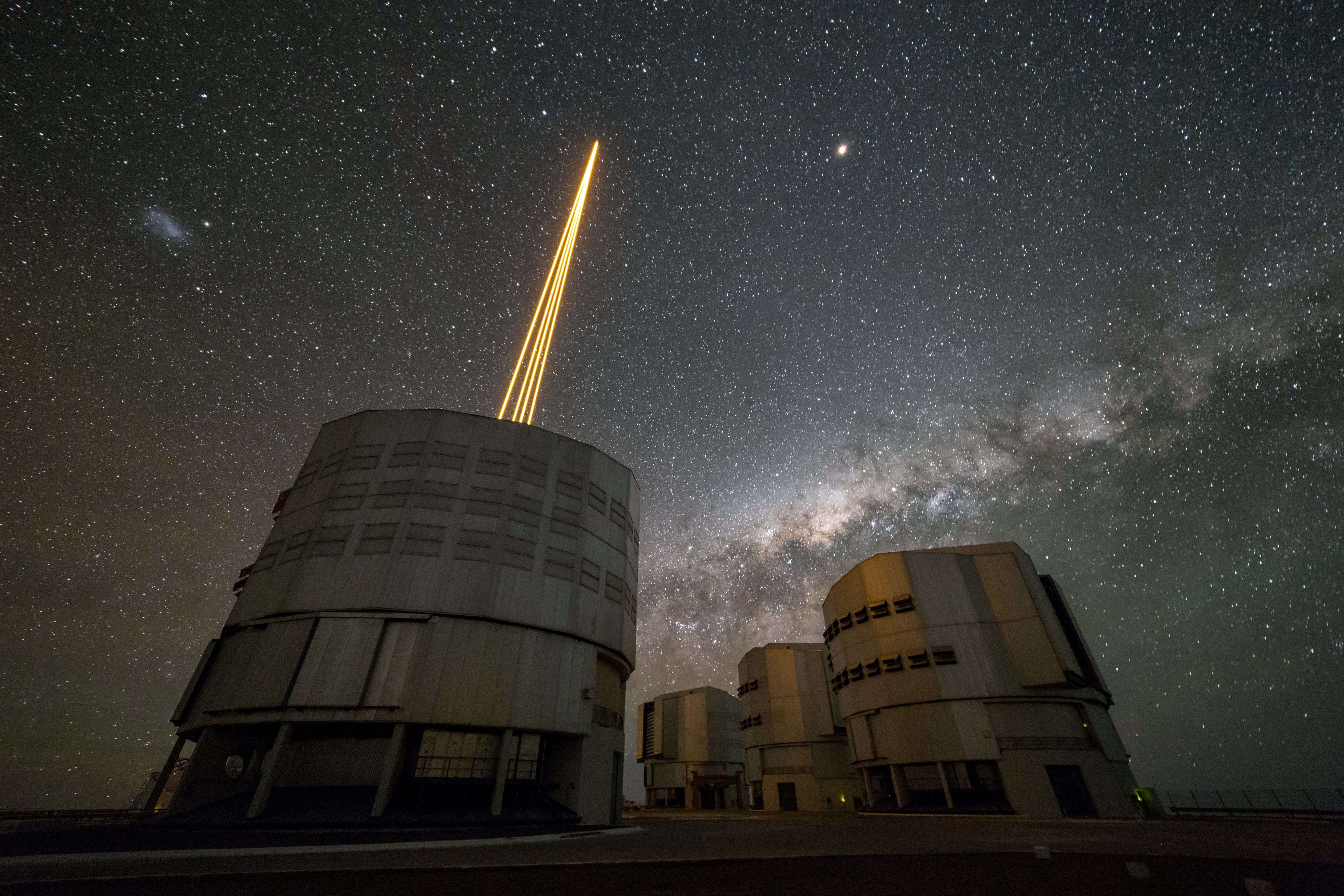
I participate in the development, installation, and scientific operation of cutting-edge high-precision spectrographs, enabling the discovery and characterization of exoplanets and several astrophysical phenomena.
I had the opportunity to learn with many colleagues and coordinated several teams at the interface between instrumentation and scientific exploitation.
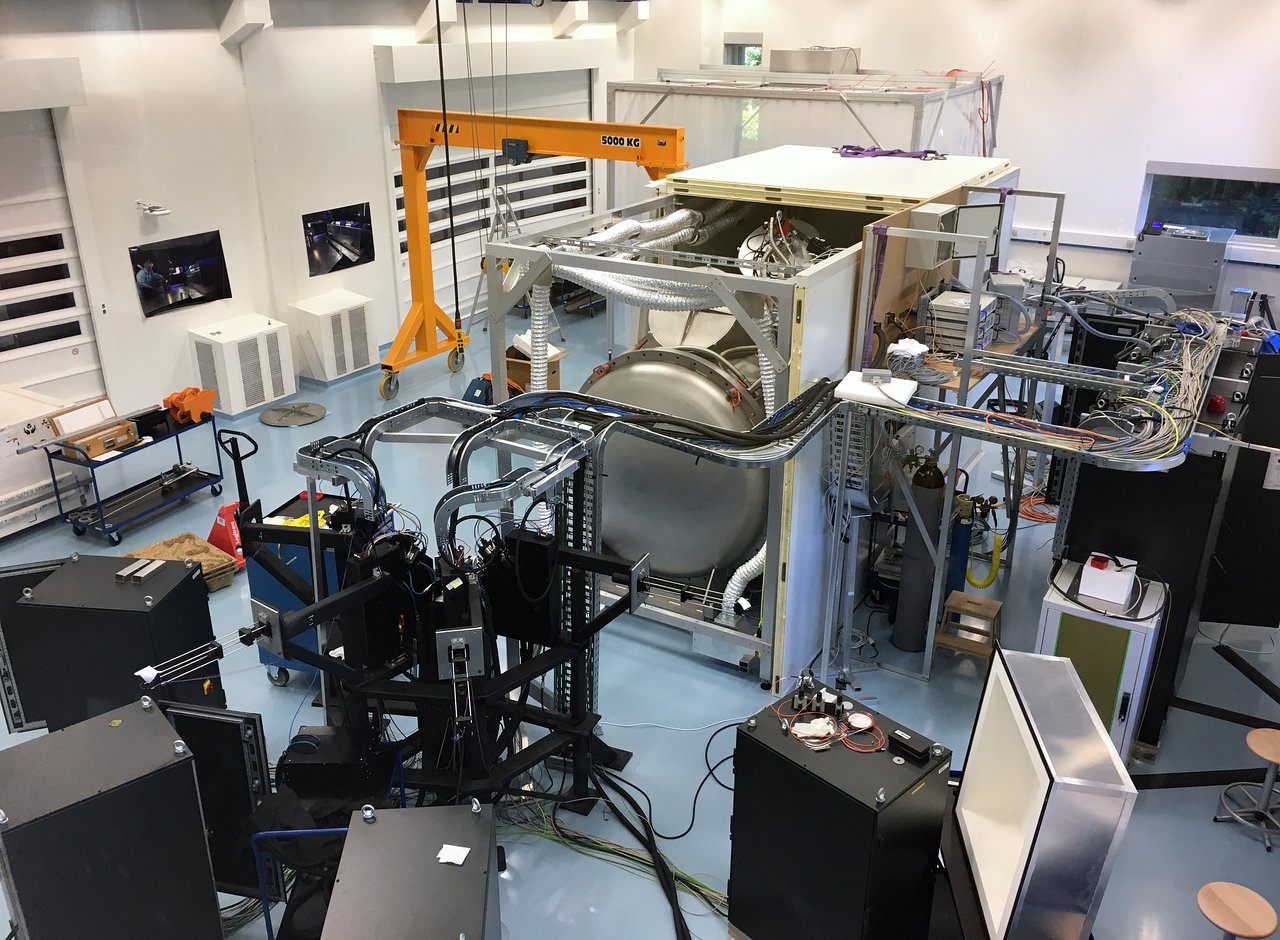
ESPRESSO
As the instrument scientist at ESO (2018-2021) I led a team with approximately 20 researchers, engineers, computer scientists, and other colleagues of varied expertise. Together we put in operation this state-of-the-art spectrograph while keeping a remarkably low technical downtime of ∼1%. I was in charge of the GTO's working group for the detection of Earth-mass exoplanets inside the host's habitable zone, and remain a frequent user of the facility.
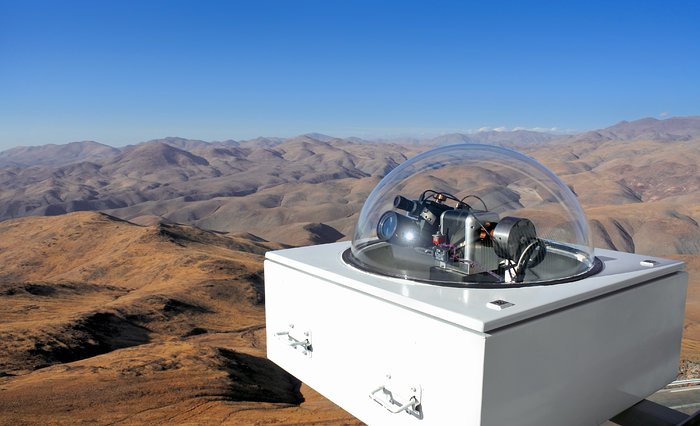
HELIOS
I am Co-PI of HELIOS, the solar telescope for HARPS, designed to acquire high signal-to-noise and high cadence spectra of the Sun and deliver precise RV measurements of the Sun as a star.
Euler
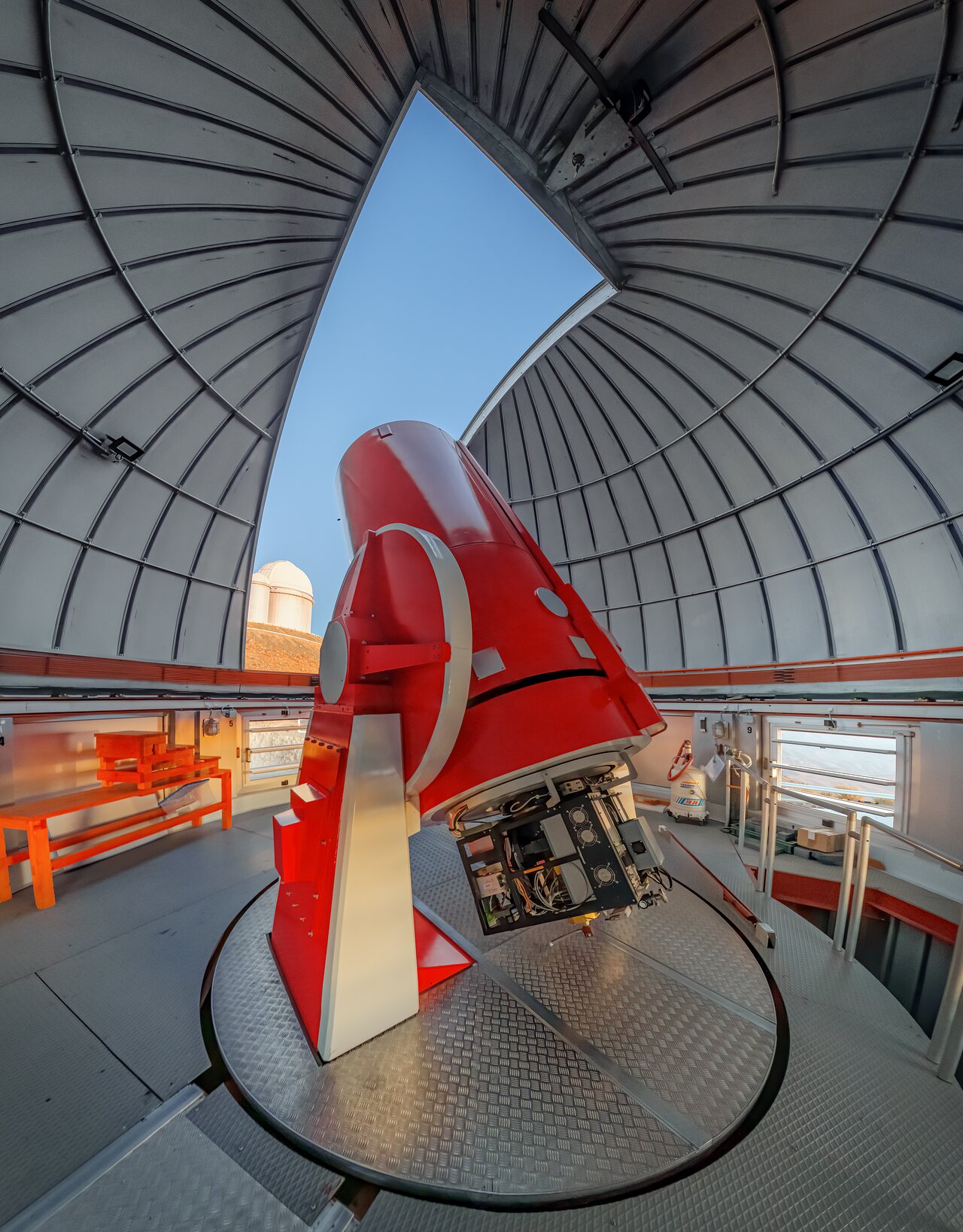
From 2022 to 2025 I was in charge of the telescope operations, coordinating a poll of ~40 observers drawn from the two supporting institutes (Observatoire de Genève and EPFL), and executing observations for ~10 different scientific programs.
SPIRou
As head of the Portuguese SPIRou team, I coordinated a team of researchers from several scientific fields (star formation, exoplanets, stellar physics) and together we secured funding for our institutional participation in the SPIRou instrument consortium.
Science Communication
We live in a society deeply reliant on technology yet often dismissive (or even suspicious) of Science. Astronomy has a unique ability to captivate the imagination, and astronomers well-positioned to play a role in Science communication.
To bridge the gap between scientists and society, we must share what we do with the public. It’s time to challenge the outdated perception of Science as a static collection of experiments conducted long ago by distant, authoritarian figures. Instead, we must teach Science as a dynamic, ongoing process—as a verb, not a noun. Most importantly, by demonstrating the tools of reasoning, we can encourage critical thinking, inspire curiosity, and empower individuals to form their own informed judgments.
Below are some of the projects I have led or contributed to. If you have an idea about an project or even a talk that can reach a new audience do not hesitate to contact me.
Astro Homus
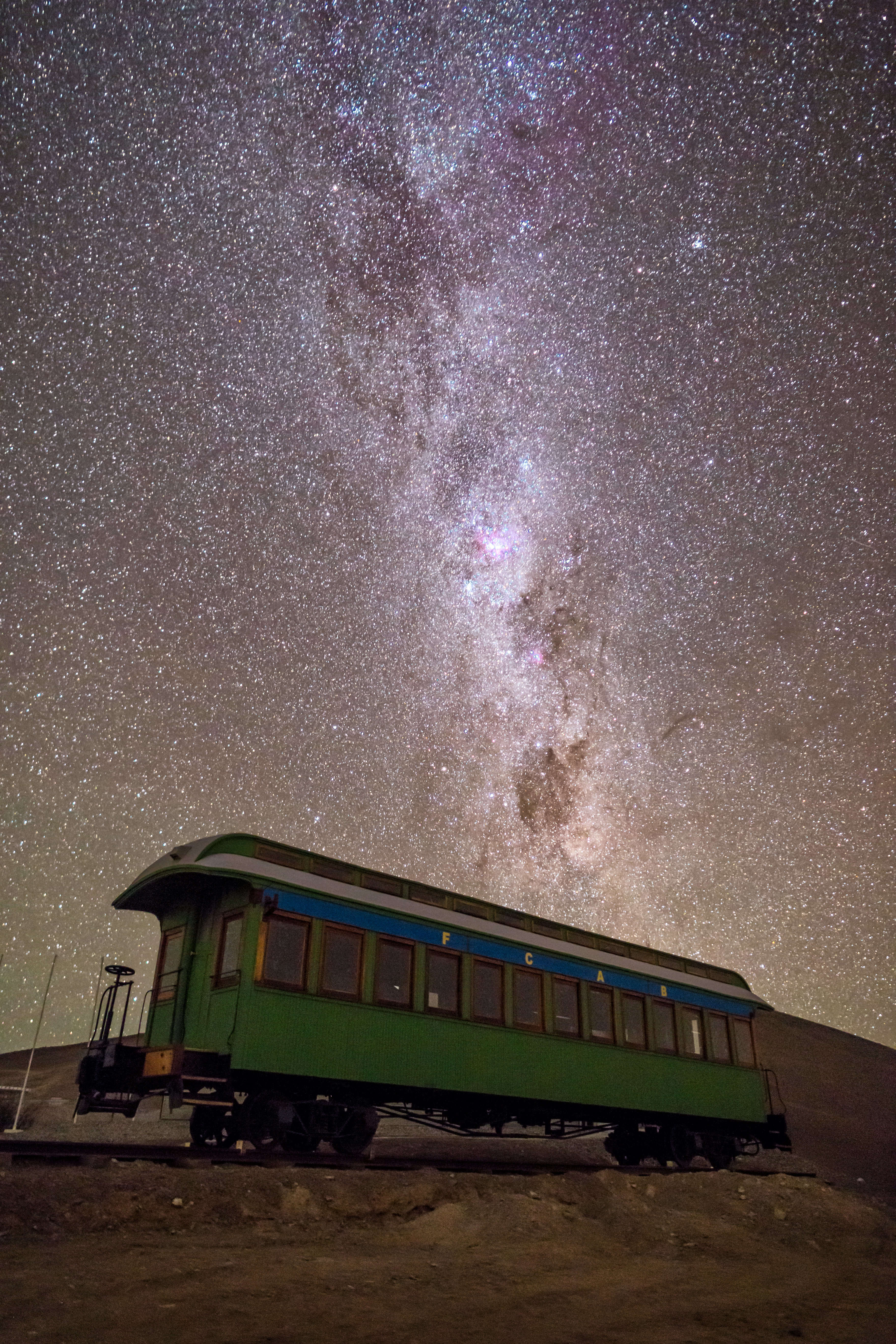
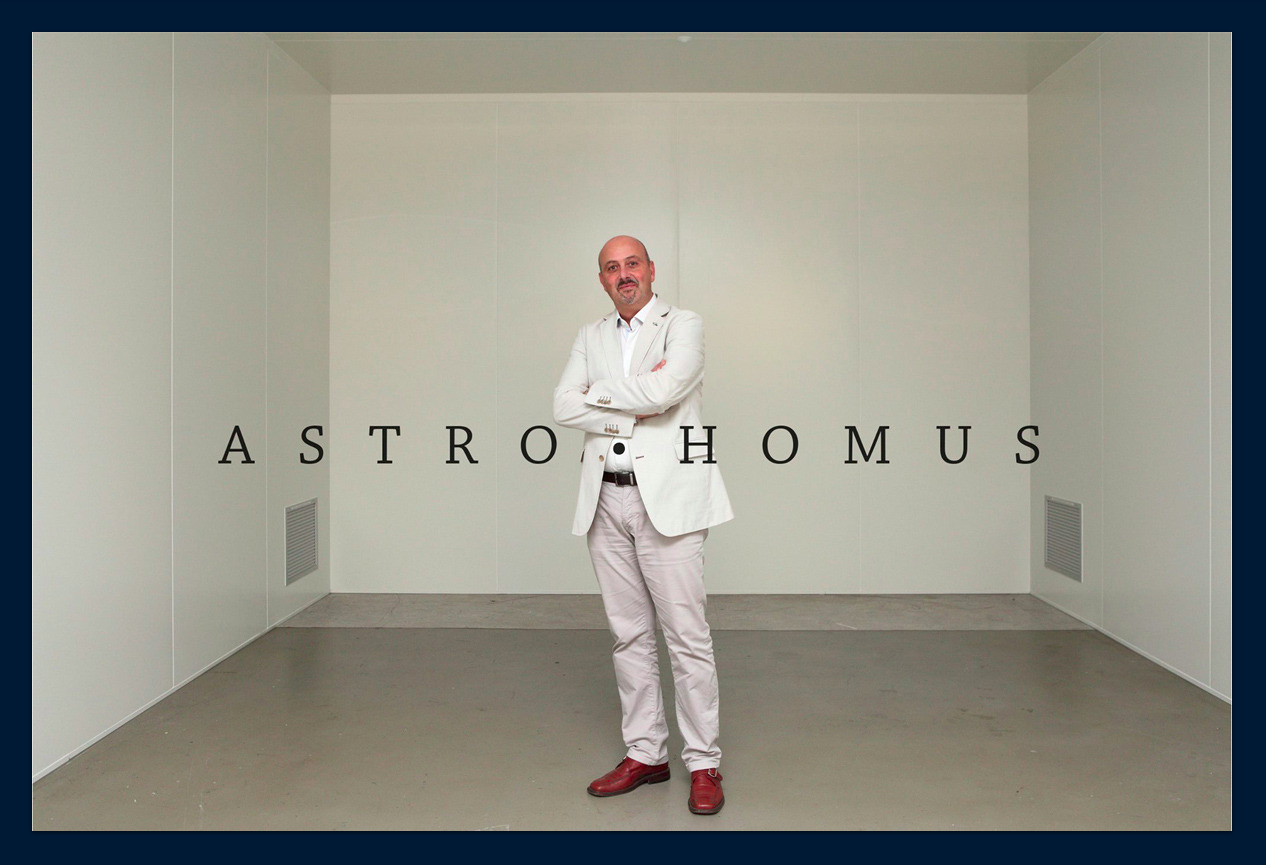
A project funded by the Portuguese Directorate-General of Arts, to reveal through photography the human side of Astronomy. Presented in the form of a touring exhibit and a book, and made possible by the expert lens of Susana Neves.
The Birth of an Idea
It was a pleasure to give my humble contribution to this great work of Ana Sousa Carvalho and Vitor Cardoso. It toured as an exhibition, was featured in Physics Review, and was published as a book.
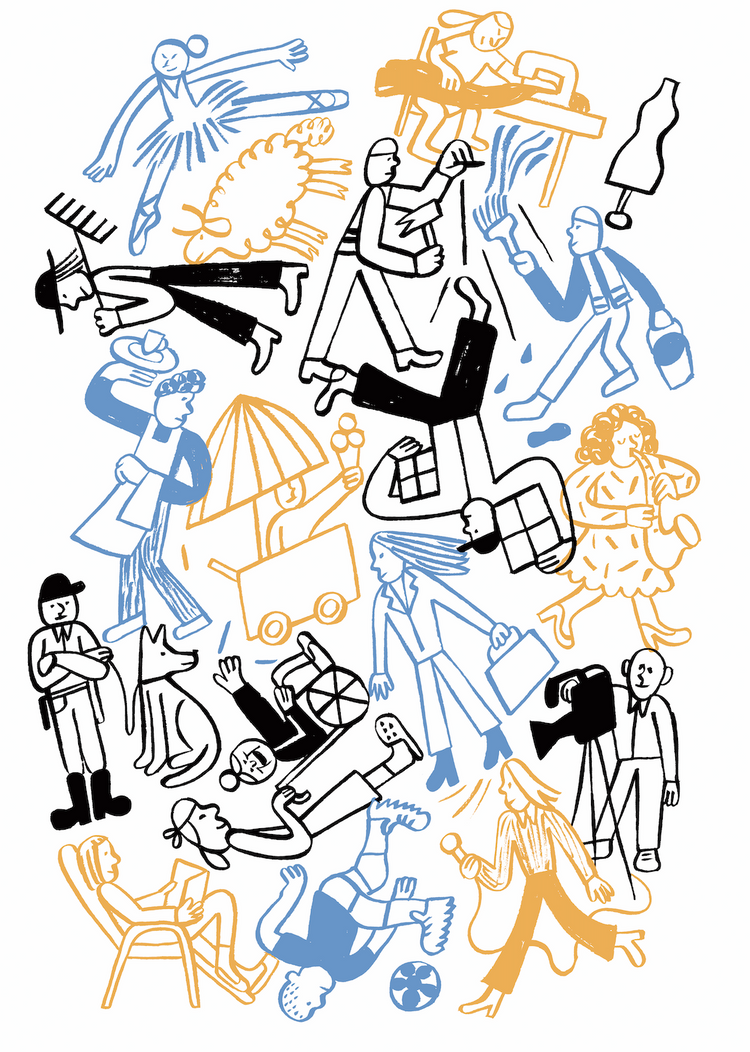
Illustrations
The immensely gifted Joana Estrela and Catarina Sobral created beautiful stories about Astronomy in the form of articles for the revista dois pontos and as the book / theater play impossível, respectively.
Documentaries
I had a minor participation in the documentaries Closer to the Stars and Chasseurs de Mondes , with Michel Mayor, Stephane Udry, and company.